
Even though public transit in Baltimore and Paris exists to aid movement of people, they contrast heavily in several areas. Both cities have underground transit, but that’s roughly where similarities end. Baltimore’s light rail and subway offer simple services for a limited population center, while Paris is a sprawling backbone for a dense area.
I am discussing factors like size, accessibility, speed, announcements, and station design.
Network Size
Baltimore’s subway system is comprised of a single 15.4 mile long line with 14 stations, terminating at Owings Mills and Johns Hopkins Hospital. The light rail network spans a distance of 30 miles with 33 stations, with Hunt Valley, BWI and Glen Burnie as terminals, with a (recently reopened) branch from Camden Station to Baltimore Penn Station.
Paris’ metro is comprised of 152.6 miles of track with 321 stations, and is regarded as one of the biggest metro systems in the world.
Accessibility and Announcements
Due to the age of Baltimore’s systems and being constructed after the ADA was passed, the subway being built in 1983 and the light rail in 1992, are mostly accessible. All subway stations are ADA accessible with elevators, escalators, ramps, stairs and level boarding. In addition to these, route maps of the line are placed on the station walls. In addition to automated announcements, trains announce their arrivals with two beeps.
The light rail trains, however, are only accessible through an elevated block. Train and delay announcements are in English, and multilingual accessibility is lacking. In terms of on-train way-finding, many vehicles received LCD screens and automated station announcements.
On the other hand, Paris’ metro system is not great for users who rely on wheelchairs or other mobility aids. Only the newer Metro and RER lines are accessible. Despite the large flaws, work to improve mobility-related accessibility on the older lines is ongoing. Due to the size, maps of the system are placed frequently throughout the stations and on the trains. The verbal announcements for train arrivals and alerts are given in French, English and either German or Spanish.
Speed
Both of Baltimore’s systems are slow-speed within city limits, especially with the light rail on Howard Street, but can move up to 60 miles per hour when outside the city. I recall several instances of light rail trains passing traffic on the Jones Falls Expressway (JFX), and being passed by two subway trains on a trip via 395 to a relatives house for some event. Ideally, trains arrive within 10-20 minutes of each other, though trains on both systems can bunch together which throws the timings out of whack.
Paris’ Metro is significantly slower, but more frequent on many lines with trains every 2-4 minutes during rush hour.
Station Design and Decoration
Baltimore’s inner-city stations are sparsely decorated, with tile mosaics, sculptures. Despite these scattered pieces, every station is simple and utilitarian, feeling like concrete bunkers. Baltimore’s light rail stations are extremely plain and simple, with some stations having blue covered waiting areas. Jazz music can be heard playing within the sub
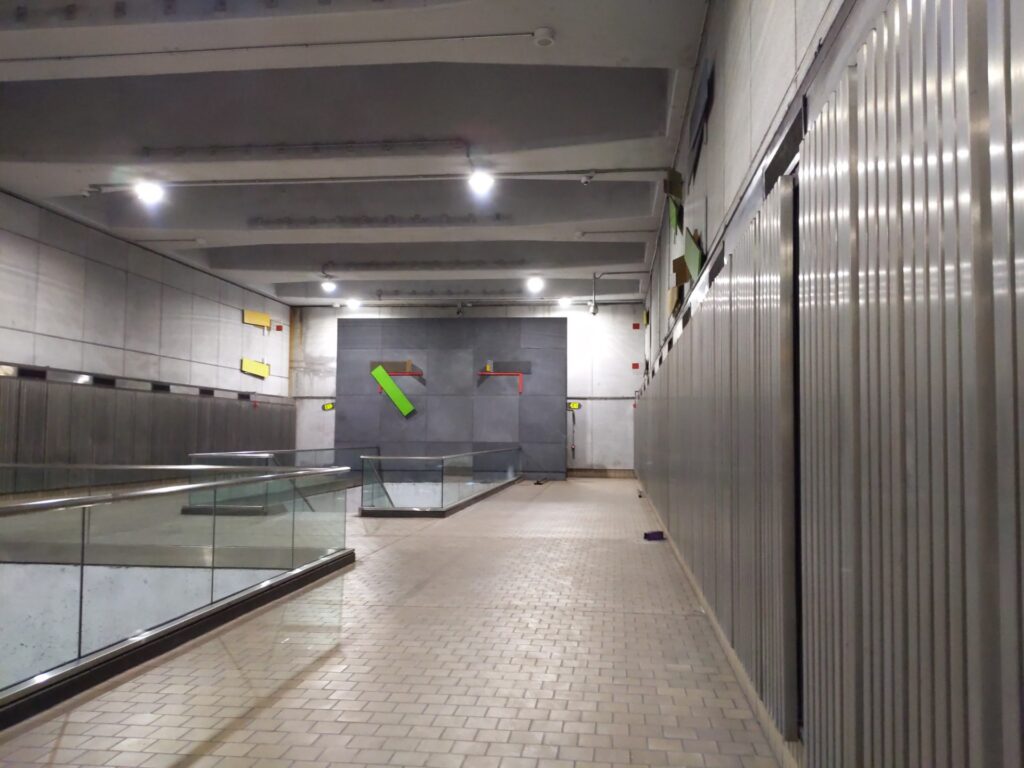
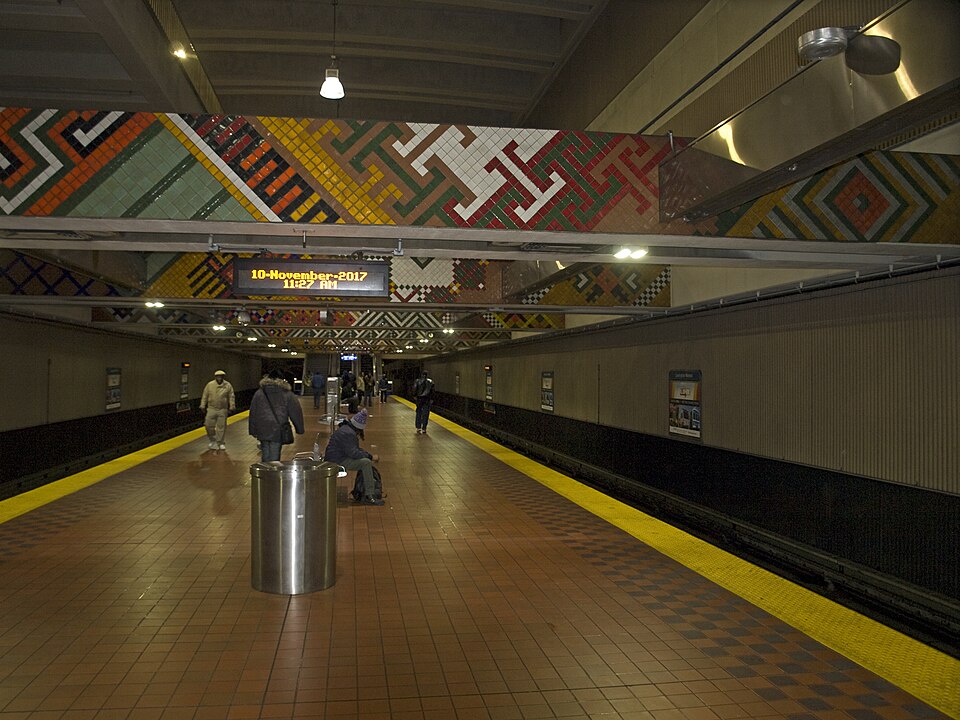
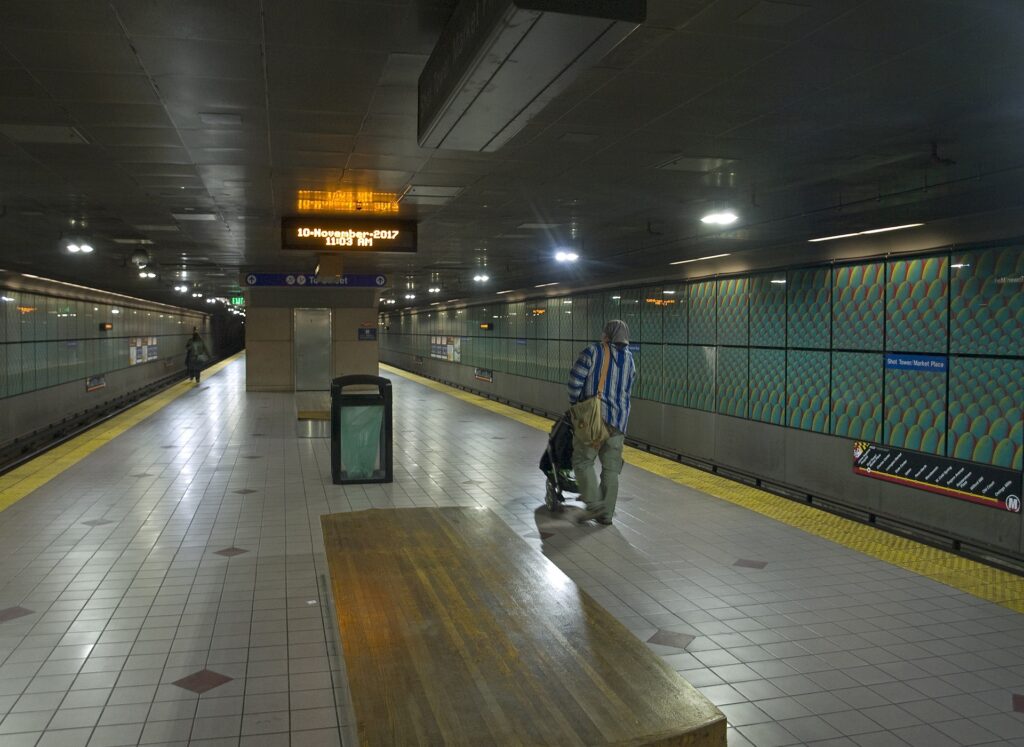
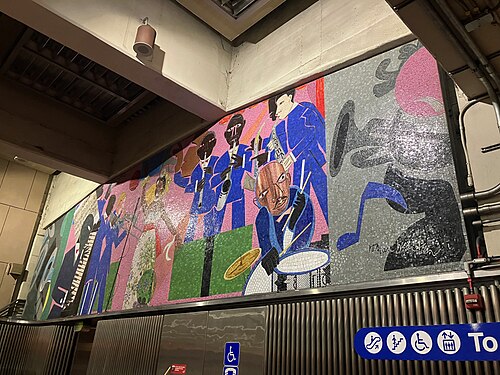
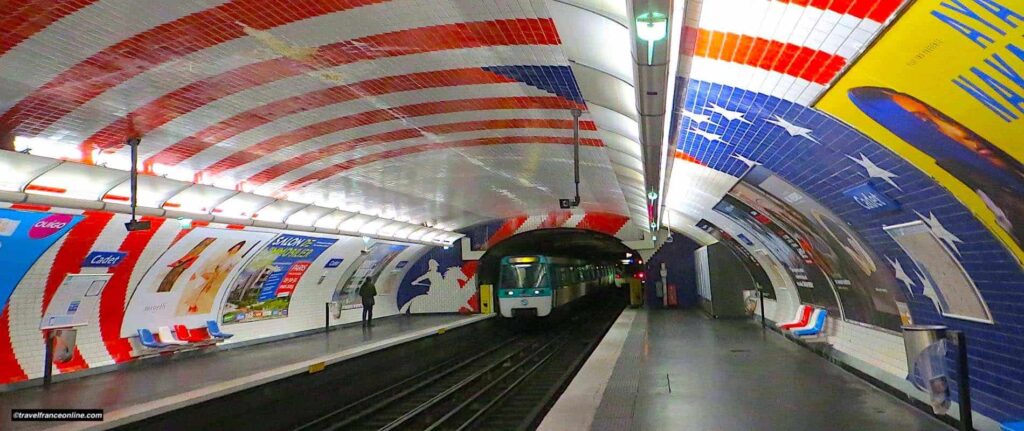
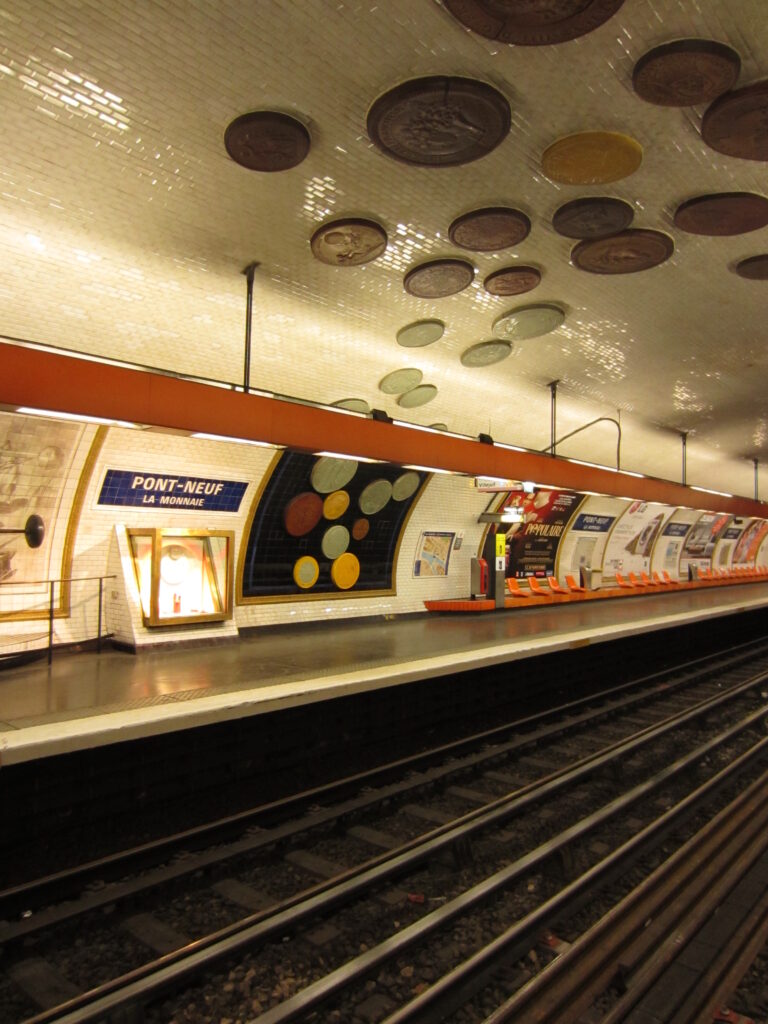
Paris’ metro, on the other hand, doubles almost as an art gallery with Art Nouveau station entrances and themed stations such as Cadet, Pont Neuf, and Arts et Métiers.

Final Thoughts
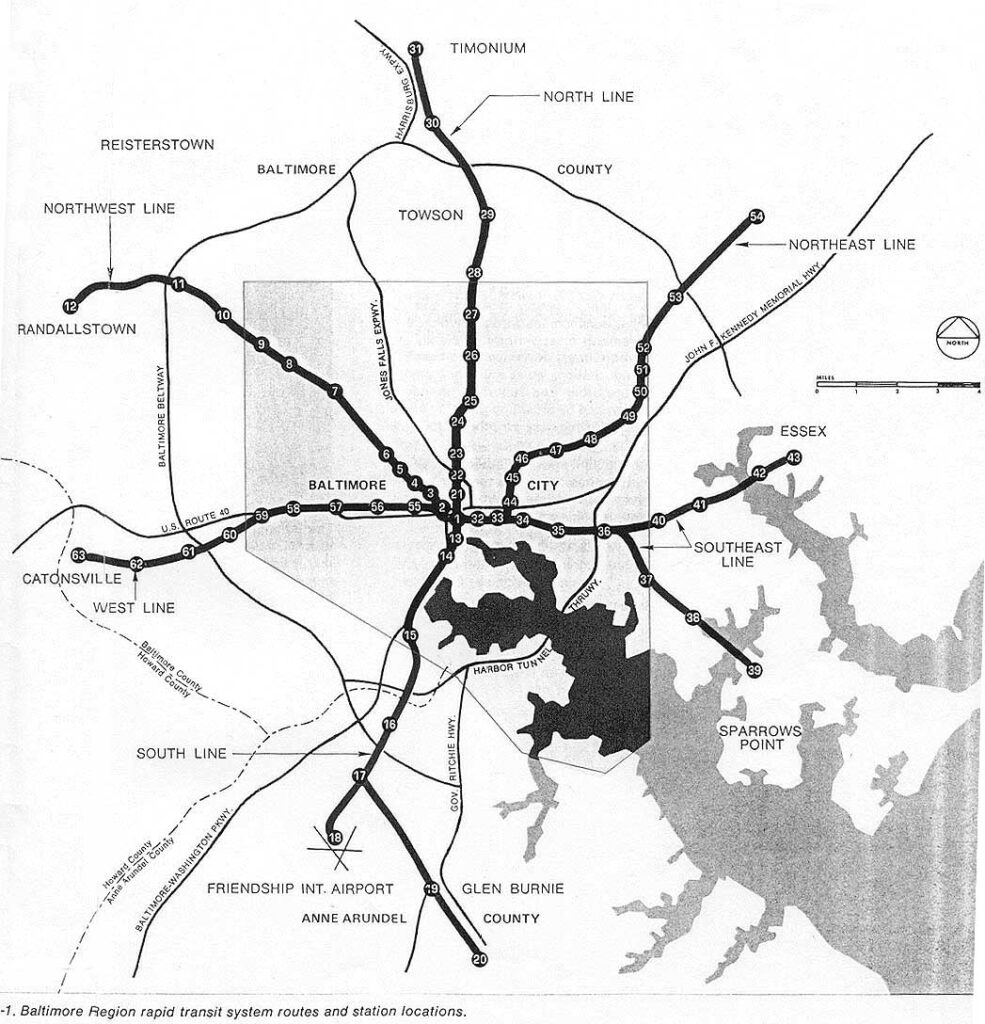
Public transit in Baltimore isn’t a daily part of life. Much like the city, it’s regularly stigmatized as unreliable and unsafe, with very few people using either line. Both systems feel like parts of a network that would have been great, but were doomed to fail from the start. Despite their downsides, they have a few strengths like accessibility, affordable fares and potential for growth when paired with the political power and will to improve them into something better.
Paris on the other hand, is extremely integrated into the city’s culture. Everyone uses it to get around. It’s dense, vibrant, and part of the experience of Paris. Unlike Baltimore, Paris’ system continues evolving at a relatively rapid pace. I feel like it’s a model of what good transit should be.